
How To Stay Warm While Vehicle Camping
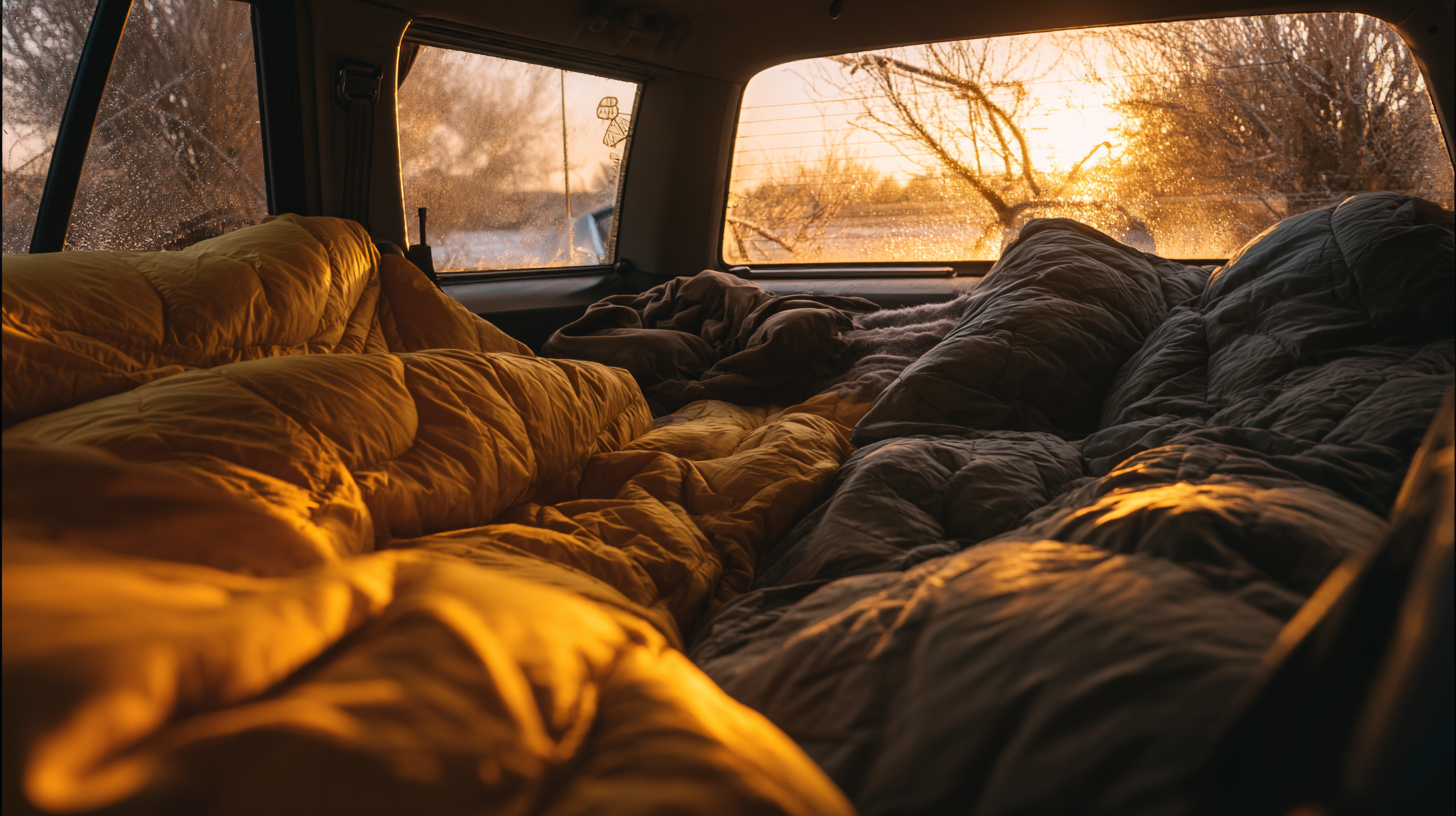
Getting cold overnight in your vehicle is miserable. Not dramatically miserable — just the low-level kind where you're checking your phone at 3am to see how long until morning, and it's only half one. You're too cold to sleep properly but not cold enough to do much about it.
Most warmth problems in vehicle camping are fixable with the right gear and a bit of planning. This covers the practical side of staying warm — in a car, estate, SUV, or basic camper — for ordinary people doing budget travel.
Why Staying Warm Matters More Than Most People Think
Poor sleep from cold has a knock-on effect on everything the next day. Driving tired is dangerous. Many people use vehicle sleeping as a way to reduce accommodation costs while travelling, which makes staying warm even more important. Being exhausted and cold makes a multi-day trip feel like punishment by the second night.
Warmth is only one part of the equation. Our guide on how to sleep comfortably in a small car covers the wider factors that affect sleep quality when travelling.
Cold also affects sleep quality before you're aware of it. Light sleep, frequent waking, waking up feeling worse than when you went to bed — these are often cold-related even when you don't feel dramatically cold during the night. Sorting warmth properly is the foundation of everything else.
Understanding Where Heat Is Lost
A vehicle is poorly insulated. Thin metal, large glass surfaces, gaps around doors — the interior temperature drops close to outside temperature overnight. By midnight, assume your vehicle is roughly the same temperature as the air outside. There's a small buffer from residual heat when you first park, but it doesn't last long.
Two things matter most.
The air around you. This is what your sleeping bag handles. The bag traps warm air close to your body. It doesn't generate heat — your body does. A cold, damp sleeping bag loses this ability quickly, which is why keeping it dry matters as much as the rating.
The surface beneath you. Lying on a cold metal boot floor or a bare car seat pulls heat away from your body directly through contact. This is where a lot of people lose warmth without realising it. A sleeping bag alone won't solve it — you need insulation underneath as well.
Moisture compounds both problems. Damp clothing or a damp sleeping bag loses insulating properties fast. This comes from two sources: condensation inside the vehicle overnight, and sweating into your clothes during the day and not changing before bed. If damp bedding and fogged windows are becoming a regular issue, see our guide to car camping condensation: causes and solutions.
The Best Clothing For Sleeping In A Vehicle
You don't need specialist gear, but layering properly makes a real difference.
Base Layers
A close-fitting base layer manages moisture and adds warmth. Merino wool is excellent — warm, moisture-wicking, and it handles multiple nights without smelling. Synthetic is cheaper and dries faster. Either works.
The base layer should be clean and dry. Sleeping in the same clothes you wore driving — especially on a long day — means sleeping in clothing that's absorbed sweat. That dampness works against you in cold conditions.
Mid Layers
A lightweight fleece or thin down jacket over your base layer adds significant warmth in cold weather. You don't necessarily need to wear it all night. Having it accessible to pull on if you wake up cold at 3am is often enough — which is more useful than having it buried in a bag somewhere.
In very cold conditions, wearing your mid layer inside your sleeping bag rather than on top adds more warmth. On the outside, it mostly just insulates the exterior of the bag.
Hats And Socks
A thin merino or fleece beanie worn to bed is one of the cheapest and most effective warmth upgrades. Cold feet are one of the main reasons people wake in the night — thick wool or thermal socks make a real difference.
Why Cotton Can Be A Problem
Cotton holds moisture. In mild weather that's fine. In cold conditions, sweating into a cotton top and then cooling down leaves you damp against your skin, which accelerates heat loss. Cheap synthetic layers from a supermarket or budget outdoor shop work well. Just avoid straight cotton when it's genuinely cold.
Choosing The Right Sleeping Bag
The sleeping bag is the most important single piece of kit for warmth.
Temperature Ratings Explained
EU/ISO-rated sleeping bags show three figures: comfort, lower limit, and extreme. The comfort rating is the one to use for purchase decisions. The lower limit and extreme ratings are not comfort figures — they're the point at which you'll survive, not sleep well.
Buy to the comfort rating for the coldest temperature you realistically expect, and if you run cold, go lower still. Lying still for eight hours in a cold vehicle is different from standing around at the same temperature. A 3-season bag with a comfort rating around 0°C handles most UK spring-to-autumn camping. For winter, aim for -5°C comfort or below.
One thing people consistently get wrong: they pack the bag they have rather than the bag they need. Renting a van in November for a coastal trip in Wales and bringing a summer bag because it was fine on a campsite in August is a reliable way to have a rough few nights.
Synthetic vs Down
Down packs smaller and is warmer for its weight. It's also more expensive and loses most of its insulating value when wet. If you keep your kit dry consistently, down is excellent.
Synthetic bags are heavier and bulkier but retain useful warmth even when damp — which matters in vehicle camping where condensation is a real factor. For most car and estate sleepers on a budget, synthetic is the more practical choice.
When To Use Extra Blankets
A fleece blanket draped over the outside of your sleeping bag adds warmth without the risk of overheating. It's also useful on unpredictable nights when you're not sure how cold it'll get — kick it off if you warm up, pull it back on if you don't.
Blankets underneath are a different matter — covered in the sleeping mats section.
Once your sleeping bag is sorted, your pillow is often the next biggest comfort upgrade. See our guide to the best camping pillows for car camping for help choosing the right option.
Sleeping Mats And Insulation
This is where most new vehicle campers underinvest, and it's one of the most common causes of cold nights.
Why Insulation Underneath Matters
When you lie on any insulating material — sleeping bag, blanket, foam — you compress it. Compressed insulation provides very little warmth. The cold from the vehicle floor comes straight through.
This catches people out because the solution isn't a better sleeping bag. It's a dedicated mat between you and the floor. A sleeping bag cannot do this job for you.
Foam Pads
Closed-cell foam is the most reliable option. It doesn't deflate, doesn't absorb moisture, and performs consistently. A 50mm pad cut to fit your boot space is cheap, simple, and genuinely effective. Measure carefully — use a cardboard template first because boot floors are rarely rectangular. Wheel arches, tie-down points and floor ridges all need to be accounted for.
Self-Inflating Mats
Self-inflating mats are more comfortable than foam and pack smaller. Decent brands like Therm-a-Rest or Vango perform well. Very cheap versions can be thin and compress easily under body weight, which undermines the whole point.
The practical risk with any inflatable is puncture. Carry a basic repair kit — a few patches and adhesive — if this is your main insulation layer.
Keeping Warm In Different Seasons
Summer
UK summer nights can still get cold, especially on the coast, in Scotland, or at any real elevation. The pattern is often the same: too warm early in the night, then noticeably colder in the early hours. A 3-season bag with a zip you can open partially handles this well. Sleeping on top of the bag early on and getting inside it later is practical.
Spring And Autumn
These are the seasons that catch people out most often. Days can be warm and pleasant, which creates a false sense of security. Nights drop fast — single figures are common across much of the UK in April and October, and near-freezing is possible in rural areas and higher ground.
The mistake is packing for the daytime weather. A coastal lay-by in Cornwall in October feels mild in the afternoon. By 2am with an onshore wind it's a different story. Pack at least 5°C colder than you expect to need.
Winter
Winter vehicle camping is very doable but requires proper preparation. Below-freezing nights need a sleeping bag rated well below 0°C, solid insulation underneath, and attention to moisture because condensation increases significantly in the cold.
Winter nights are also long — you might be in your sleeping bag for ten or eleven hours. Ice on the inside of the windows means temperatures have dropped below freezing. In those conditions, one cracked window rather than two is a reasonable adjustment, accepting some condensation in exchange for retaining more heat.
Motorway service stations are popular winter overnight stops, but they're rarely quiet. Lorries idle nearby, there's foot traffic until late and again early, and the ambient light makes window covers essential. A rural lay-by is almost always a better night's sleep, assuming it's sheltered and reasonably flat. Proper window insulation can also help with comfort and privacy. Our guide to the best window covers for vehicle camping compares the most practical options, , while our guide on how to sleep in your car without feeling exposed covers the wider privacy considerations that affect sleep quality.
Whatever location you choose, it's worth understanding the basics of staying safe when sleeping in your car, particularly when you're tired and arriving after dark.
Before planning cold-weather overnight stops, check local regulations using Where Can You Legally Sleep In Your Car? A Country-By-Country Guide.
How To Stay Warm Without Running The Engine
Running the engine while parked to generate heat is something people try when they're cold and tired. Don't.
Carbon monoxide from a running engine can accumulate around a stationary vehicle — through door gaps, ventilation intakes, the boot seal — even in open air. It's colourless, odourless, and there's no warning before it becomes dangerous. People are killed this way every year in the UK. It's not worth the risk.
The same applies to gas camping stoves and catalytic heaters used inside a vehicle overnight. Fine for brief use with windows fully open for cooking; not safe to run while you sleep in a sealed or semi-sealed space.
If you're genuinely too cold despite proper kit, the right response is to move. Drive to a warmer, more sheltered location, check into somewhere with a roof, or reassess your gear before the next trip.
Hot Water Bottles And Other Low-Cost Tricks
A standard 2-litre rubber hot water bottle filled before bed is one of the most effective cold-weather upgrades available. Placed at the foot of the sleeping bag, it pre-warms the bag, keeps your feet warm, and stays hot for several hours. It costs almost nothing and takes up minimal space.
A few other things that make a practical difference:
- Eat a proper warm meal before bed. Digestion generates body heat. Going to bed cold and hungry extends the time it takes the sleeping bag to warm up.
- Do a few minutes of light activity before getting in. A short walk, some jumping jacks — raising your core temperature before bed means you're warming the bag from a better starting point.
- Pre-warm the bag. Put the hot water bottle inside the sleeping bag for twenty minutes before you get in. Climbing into a pre-warmed bag is much better than getting into a cold one and waiting.
- Hand warmers. Cheap disposable air-activated hand warmers are worth carrying for genuinely cold nights. Place them near your feet inside the bag.
- Park with the nose facing the prevailing wind. Wind hitting the front of the vehicle rather than the side reduces cold air finding its way in through gaps.
- Supermarket car parks overnight tend to be well-lit, which helps with security, but they're exposed and often on flat open ground with no wind shelter. In cold or windy weather, a more sheltered spot — near a hedgerow, in a dip, out of the main wind — makes a real difference to how cold the interior gets.
Staying Warm As A Couple
Two people generate more shared body heat, which helps. Two people also generate significantly more moisture overnight, which works against you if ventilation isn't managed.
On balance, couples are usually warmer than solo sleepers — provided the space lets you sleep close together rather than a foot apart with a cold gap between you. In a hatchback that's tight. In an estate or SUV it's more manageable.
Two sleeping bags that zip together, or bags of compatible sizes, give you closeness and shared warmth while letting each person regulate their own temperature. Partners often run at different temperatures, and a shared single bag usually ends with one person sweating and one slightly cold.
If you're sleeping in a genuinely tight space together, don't over-layer. Shared body heat adds up, and overheating means sweating into your kit — which leaves you cold and damp later in the night. Start with lighter layers than you think you need and have extra accessible if things cool down.
Common Mistakes That Leave People Cold
- Buying a sleeping bag rated to the temperature you expect, not below it. Ratings assume lab conditions. In a vehicle with inadequate insulation underneath, those conditions aren't replicated. Go colder than you think you need.
- No insulation underneath. A good sleeping bag on a bare car seat or boot floor is still a cold night. The mat is not optional.
- Sleeping in damp clothes. Change into dry layers before bed, even when it's awkward in a small space.
- Fully sealing the vehicle. Condensation builds fast in a sealed car, damping your kit and making everything worse. One or two cracked windows is worth the minor heat loss.
- Going to bed cold and expecting the sleeping bag to fix it. A sleeping bag traps existing heat — it doesn't generate warmth from nothing. Eat something, move around, pre-warm the bag.
- Underestimating shoulder season. October lay-bys in rural Scotland or a late September coastal spot in Northumberland get cold fast once the sun goes down. The gear you needed in August won't cover it.
- Storing the sleeping bag compressed. Both down and synthetic insulation lose loft when left compressed for long periods. Store the bag loosely in a large cotton sack between trips, not stuffed into its compression sack.
My Simple Cold-Weather Vehicle Camping Setup
This handles UK conditions reliably from early spring through late autumn, and most winter nights down to around -5°C:
- 50mm closed-cell foam pad cut to fit the boot, with a folded moving blanket on top
- Synthetic sleeping bag, -5°C comfort rating
- Merino wool base layer top and bottoms
- Thick wool socks
- Thin fleece beanie
- 2-litre hot water bottle
- Fleece mid layer kept accessible
- Two windows cracked slightly on opposite sides
The sleeping bag is the main cost — a decent synthetic bag at -5°C comfort runs between £60 and £120. Everything else adds up to well under £40.
FAQ
How cold does a vehicle actually get overnight?
Plan for the interior to reach roughly outside temperature by the early hours. The residual warmth from driving disappears within an hour or two of parking. A vehicle parked overnight in a sheltered rural spot will be cold by midnight; one in an exposed coastal car park in a wind will feel colder still.
What's the single most effective upgrade for cold-weather vehicle camping?
A sleeping bag with the right comfort rating for the conditions. Everything else matters, but nothing comes close to the difference between a bag rated for where you're sleeping and one that isn't. If budget is limited, spend it on the bag first, then the sleeping mat.
Is it safe to use a gas stove or catalytic heater inside a vehicle?
Not while sleeping. Both consume oxygen and produce carbon monoxide and water vapour in an enclosed space. Brief use with windows fully open for cooking is a different situation. Running either overnight in a sealed vehicle is not safe.
How do I stop my sleeping bag getting damp?
Ventilate — two windows cracked on opposite sides reduces moisture buildup significantly. Keep wet gear stored away from your sleeping bag. Air the bag out in the morning rather than packing it immediately while still warm. A damp synthetic bag recovers well when dried; a damp down bag takes longer and needs to dry fully to restore its loft.
Does it make a difference what type of location I park in overnight?
Yes, more than people expect. A sheltered rural lay-by near a hedgerow in still conditions is significantly warmer and quieter than an exposed motorway services or an open supermarket car park. Wind is the main factor — even a modest breeze against the vehicle pulls heat out faster and makes the night feel colder. When you have a choice, pick somewhere sheltered and flat.
Final Thoughts
Staying warm in a vehicle overnight is mostly a gear and preparation problem. The people who lie awake cold at 3am usually aren't making a fundamental mistake — they're just missing one or two things in their setup.
Get the sleeping bag right. Insulate underneath. Wear proper dry layers to bed. Manage moisture. Don't run the engine.
That handles most cold nights. The rest is just refinement.
