
How To Sleep Comfortably In A Small Car
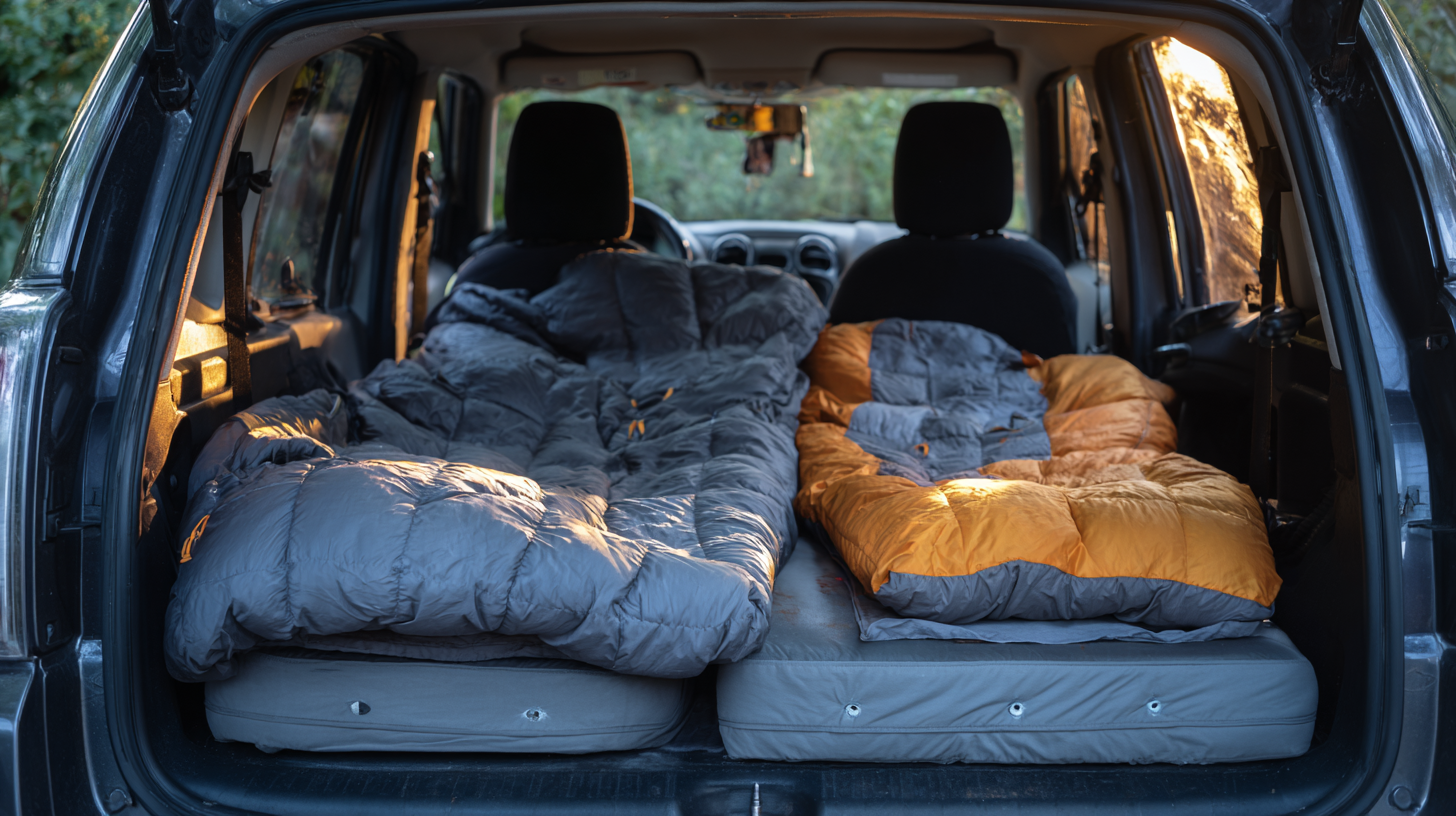
Sleeping in a small car sounds uncomfortable — and if you get it wrong, it is. But with the right setup, most people are surprised by how decent a night's sleep they can actually get. It's not going to feel like a hotel bed, but it doesn't have to be a sleepless, back-aching disaster either.
Sleeping in a vehicle is not necessarily about avoiding hotels entirely. For us, it is about creating more travel opportunities. That's why we choose vehicle-enabled travel.
This article is about how to sleep comfortably in a small car — not in a converted van or a rooftop tent, but in a regular hatchback, saloon, or compact. The kind of car most people actually own.
Is It Really Possible To Sleep Well In A Small Car?
Yes, but you need to be realistic. A small car is tight. You'll likely need to sleep diagonally, curl up, or fold the rear seats to stretch out. None of these options are perfect, but all of them are workable.
The people who struggle most are those who try to replicate how they sleep at home. That's not the goal here. The goal is good enough sleep — the kind that leaves you rested and ready to continue your journey without paying for another hotel night.
Once you stop fighting the constraints of the car and start working with them, things get a lot better.
Choose The Right Sleeping Position
Getting the position right is the foundation of everything else. The wrong position will ruin your night no matter how good your sleeping bag is.
Front Seats Reclined
Reclining the passenger seat is the quickest option, but it has real limits. Most car seats don't recline flat — they stop at an angle that's fine for a nap but rough for a full night. You wake up with a stiff neck and an aching lower back.
If you're going to use the front seat, bring a small pillow for your lower back and recline as far as the seat allows. Choosing the right pillow can make a surprisingly big difference to sleep quality. See our guide to the best camping pillows for car camping. Tall people will find their feet have nowhere to go, which is the main problem.
Back Seat Sleeping
Curling up on the back seat works better than most people expect, especially if you're under 5'10". You can tuck your knees up and get reasonably comfortable. The main issue is width — most rear seats aren't wide enough to stop you from rolling.
A rolled-up jacket or bag wedged against the back of the front seat stops you sliding forward during the night.
Folding Rear Seats
If your car has fold-down rear seats, this opens things up considerably. You get a longer, flatter surface that reaches into the boot. It's still not perfectly flat — there's usually a step or slope where the seat meets the boot floor — but it's much better than the back seat alone.
Filling that gap with a folded blanket or a piece of foam makes a real difference. Without it, you'll feel that ridge in your hip by 3am.
Estate Cars and SUVs
If you're driving an estate or an SUV, you're in luck. With the rear seats folded, many of these give you enough room to lie completely flat. An estate car like a Skoda Octavia or a Ford Focus Estate can sleep one adult comfortably. Two people is tight but doable.
If you want to see exactly how we built a sleeping system for two people in a 2014 VW Golf Estate without any permanent modifications, see our VW Golf Estate sleeping setup case study.
The boot height is the limiting factor in SUVs — you can't sit upright, but for sleeping that doesn't matter much.
Sleeping In A Small Car When You're Tall
This is where small-car sleeping gets genuinely difficult. If you're over 6 foot, a standard hatchback isn't going to let you sleep straight. But it's still manageable with some adjustments.
The most effective approach is the diagonal. With rear seats folded, measuring corner to corner across the boot often gives you 15–20cm more length than sleeping straight. It's enough to make a real difference. You'll need to angle your sleeping bag to match and accept that your feet will end up in a corner rather than centred, but most people adapt to this quickly.
Pushing the front passenger seat as far forward as it goes before you climb in the back also helps. It sounds obvious, but it's easy to forget.
If the diagonal still isn't enough, consider sleeping with your feet slightly elevated on a rolled blanket at the boot end. It keeps your legs from pressing flat against the floor and can relieve the pressure that comes from being wedged into a space that's slightly too short.
One trade-off worth knowing: the more you fill the gap between the folded seats and the boot floor, the more level your surface but also the higher up you are — which means less headroom above you. In most hatchbacks that's not a problem, but in a smaller car it can feel claustrophobic. Test your setup in daylight before you try to sleep in it.
Taller people also tend to run warmer because there's more of them compressed into a smaller space. Factor that in when choosing what to sleep in.
Build A Comfortable Sleeping Surface
The surface you sleep on matters just as much as your position. A flat, padded surface is the difference between waking up rested and waking up sore.
Mattress Options
There are inflatable car mattresses sold specifically for back seats and boots. Some are decent, some are rubbish. The good ones fill in the gaps and create a more even surface. The bad ones deflate overnight or don't fit properly.
If you're going to buy one, check the dimensions against your specific car model before ordering. A lot of people buy generic ones that don't quite fit, which defeats the purpose.
Foam Pads
A piece of closed-cell foam cut to fit your boot is one of the best investments you can make. It's cheap, it doesn't deflate, it insulates from cold coming up through the car floor, and it evens out the uneven surface.
A 50mm thick piece from a camping or foam supplier costs very little and lasts years. Cut it to fit, cover it with a fitted sheet if you want, and you're done. This is genuinely one of the best upgrades for small-car sleeping.
One thing most guides skip: measure twice before you cut. The boot floor is rarely a simple rectangle. Wheel arches intrude, the floor often tapers, and there are usually raised ridges or tie-down points. A cardboard template first saves wasted foam.
For a real-world example, our VW Golf Estate sleeping setup uses a folding foam mattress rather than a permanent platform.
Camping Mats
A self-inflating camping mat like those from Therm-a-Rest or similar brands also works well. They're thinner than a full mattress but provide enough cushioning for most people and roll up small when not in use.
The trade-off is comfort versus packability. If boot space is tight, a roll mat takes up less room than a foam pad. If you have the space, the foam pad wins.
Blankets Underneath
Don't underestimate the value of layering blankets beneath you rather than just on top. Cold comes up from the floor of the car, and a blanket or two underneath adds insulation and softness. This is one of those things you figure out on your second or third trip, not your first.
Control Temperature During The Night
Temperature is probably the most common reason people sleep badly in cars. If cold nights are regularly disrupting your sleep, our guide on how to stay warm while vehicle camping covers practical ways to stay comfortable. Too cold or too warm, and you'll be awake half the night.
Staying Warm
A quality sleeping bag rated for colder temperatures than you expect is the single most useful thing for warmth. Sleeping bags designed for camping will outperform any amount of car blankets.
Wear a base layer and socks to bed. It sounds obvious, but plenty of people try to rough it in a t-shirt and end up shivering at 2am. A beanie hat makes a big difference if it's genuinely cold — you lose a lot of heat through your head.
A small hot water bottle filled before you sleep and tucked at the foot of your sleeping bag works well if you have access to a kettle. It stays warm for several hours.
One thing beginners often get wrong is treating their sleeping bag rating as a guarantee rather than a guide. A bag rated to 0°C doesn't mean you'll be warm at 0°C — it means most people will survive at that temperature. If you run cold, buy a bag rated lower than you think you need.
Staying Cool
Summer nights in a parked car can get stuffy fast. The interior heats up during the day and holds that warmth. Parking in shade helps, but it's not always possible.
Cracking a window — or using a mesh window vent — lets air circulate without letting insects in. Mosquito-net inserts that fit car windows are sold online and are worth the few pounds they cost if you're travelling anywhere warm.
Sleep on top of your sleeping bag rather than inside it if the temperature is mild. A light cotton blanket is enough on warm nights.
Ventilation
Even on cool nights, ventilation matters. A completely sealed car gets stuffy quickly and the buildup of CO2 will disrupt your sleep even if you don't feel cold. Keep at least one window cracked an inch or two.
Roof vents — which are available for some vehicles — help considerably, but cracking a window costs nothing.
Managing Condensation In Cold And Wet Weather
Condensation is one of those problems nobody warns you about until you've woken up with damp walls, a wet sleeping bag, and fogged windows so thick you can't see out. If condensation is becoming a regular problem, our guide to car camping condensation: causes and solutions goes into much more detail.
It happens because you're breathing out warm, moist air into a cold car. That air hits the cold windows and metal surfaces and turns back into water. In a small car with no ventilation, a single person sleeping can produce enough moisture to soak the interior overnight.
The fix is ventilation — but it has to be balanced with warmth. Cracking two windows slightly on opposite sides of the car creates a cross-draught that carries moist air out before it settles. One window cracked only on one side is less effective.
A few other things that help:
- Don't hang wet clothing inside the car overnight. It adds significantly to the moisture load. Damp towels, wet jackets, and soggy boots are best stored in a sealed bag or left in the boot.
- Wipe down the windows before you sleep if it's already damp inside. Starting the night with dry surfaces means condensation takes longer to build back up.
- A small microfibre cloth is useful for wiping windows in the morning before they have time to drip onto your gear.
- Silica gel packets — the small desiccant sachets that come in product packaging — placed around the car absorb a small amount of ambient moisture. They won't solve serious condensation but they reduce the baseline dampness over time.
If you're sleeping in the car regularly through autumn and winter, the honest answer is that some condensation is normal and you learn to manage it rather than eliminate it. The main habits that help: crack two windows on opposite sides rather than one, keep all wet gear in a sealed bag in the boot rather than loose in the sleeping area, and wipe the windows down with a microfibre cloth first thing in the morning before anything has a chance to drip onto your bedding. That last one takes thirty seconds and saves a damp sleeping bag.
Block Light And Noise
Light and noise are the other two enemies of decent car sleep. A lay-by next to a main road or a service station car park can feel like trying to sleep in a nightclub.
Window Covers
Reflective window covers do two things: they block light and they reflect heat. Custom-cut covers for your specific car model fit better and look less obviously like someone is sleeping inside. If privacy is a concern, see our guide on how to sleep in your car without feeling exposed. If you're comparing different options, see our guide to the best window covers for vehicle camping.
Cheaper options include cut-to-size foam sheet covered in foil-backed insulation from a DIY shop, or simply hanging dark fabric over the windows from the headrests. It looks scrappy but it works.
Worth noting: covering the rear windscreen is easy to forget, but early morning light often comes from behind. Cover it.
Eye Masks
Even with window covers, some light gets in. A good eye mask is a cheap backup. Not much to say here — they work. Spend more than a pound on one and you'll get something that actually stays on.
Ear Plugs
Foam earplugs are a genuinely underrated bit of car-sleeping kit. A lorry idling nearby, a car alarm, someone else leaving the car park at 5am — all of it gets filtered out. A pair costs almost nothing and takes up zero space.
Parking Location
Where you park makes a bigger difference than anything else on this list. See the dedicated section below for more on this.
Finding Safe And Quiet Overnight Parking
This is the part of car sleeping that takes a bit of practice to get right. The difference between a good night and a terrible one often comes down to where you've parked. Comfort is important, but legality comes first. Check Where Can You Legally Sleep In Your Car? A Country-By-Country Guide before planning an overnight stop.
Avoid 24-hour supermarket and retail car parks. They're tempting because they're well-lit and easy to find, but they're busy all night. Delivery lorries, security patrols, other vehicles — there's always something going on.
Motorway service stations are similarly rough. People are coming and going at all hours, engines are running, and the ambient noise level never really drops. Fine for a two-hour nap mid-journey, not great for a full night.
Lay-bys on A-roads vary enormously. A lay-by in a rural area can be very quiet. A lay-by near a town on a busy road is not. Lorry drivers often use them, which means diesel engines idling through the night.
Better options tend to be:
- Quiet residential streets in smaller towns or villages — as long as there are no overnight parking restrictions. Check for permit zone signs.
- National Trust, Forestry Commission, and other managed countryside car parks — many allow overnight parking, some charge a small fee. Check in advance.
- Pub car parks — some pubs allow overnight parking if you ask permission. Worth a knock the evening before.
- Industrial estate car parks at weekends — quiet, empty, and generally fine. Not glamorous but they work.
When you arrive at a spot, do a quick check before committing. Is it flat? Is there a reason this area might be busy overnight — a venue, a road, a delivery entrance? Is there a sign restricting parking hours? Five minutes of checking saves a lot of disruption later.
Trust your instincts about how a location feels. If something seems off, it usually is. Moving on costs you twenty minutes; ignoring it can cost you the whole night. Good overnight locations are about more than comfort and convenience. They're one of the foundations of safe vehicle sleeping, but they're also just one part of a wider trip-planning process that includes route selection, overnight stops, budgets, food and backup plans.
What To Wear While Sleeping In A Car
Wear comfortable, loose layers. Thermals or a base layer plus a fleece is a solid combination in cool weather. Avoid anything with zips or buttons that will dig in when you lie on your side.
If it's warm, lightweight cotton shorts and a t-shirt are fine. The main thing is to avoid sleeping in your driving clothes — especially jeans, which are genuinely uncomfortable to sleep in and tend to restrict circulation if you're curled up.
Keep a fresh set of clothes somewhere accessible for the morning. Digging through a packed boot half-awake is not the best start to a day.
Common Mistakes That Ruin Sleep
A few things come up again and again with people who are new to sleeping in small cars.
- Not levelling the car. Even a small slope means you're either sliding headfirst or feet-first all night. Parking on flat ground sounds obvious, but in the dark it's easy to miss a slight incline. Roll forward or back a bit if something feels off.
- Leaving the engine running for heat. This is genuinely dangerous due to carbon monoxide. Dress properly and use a sleeping bag instead.
- Not eating before bed. A cold car plus hunger makes for a miserable night. Have a proper meal or at least something warm before you sleep.
- Forgetting to use the toilet. Find a toilet before you settle in. Needing one at 3am in a dark lay-by is not fun.
- Over-packing the boot. If you've folded the seats and your boot is full of gear, you've got nowhere to sleep. Work out your sleep space first, then pack around it.
- Using the phone too much before bed. Scrolling in a dark car is just as disruptive to sleep as it is at home, probably more so because the screen is the only light source.
- Setting up in the dark. If you arrive late and haven't set up your sleep system before, you'll be fumbling around in a cold car trying to figure things out. Do a dry run at home first — it takes twenty minutes and you'll be glad you did. Our own driveway testing showed that a repeatable setup is far more important than having expensive equipment.
- Forgetting to move the headrest. The driver's and passenger's headrests often stick out awkwardly when you're lying across the back seat. Remove them and store them in the footwell. It frees up a surprising amount of room and stops you waking up with one in your ear.
- Parking under street lights. Even with window covers, a sodium orange glow around the edges all night is disruptive. If you have a choice, park away from direct light sources.
My Simple Small-Car Sleep Setup
For reference, here's the basic setup that's worked reliably in a standard hatchback:
- Rear seats folded flat, gap filled with a folded moving blanket
- 50mm foam pad cut to fit the boot space
- A 3-season sleeping bag rated to around 1°C
- Wool base layer and thick socks
- Foil-backed insulation cut to cover all windows including the rear windscreen
- Foam earplugs and a basic eye mask
- Small microfibre cloth for morning condensation wipe-down
Total cost for all the additional bits is well under £50. It's not luxurious, but it reliably delivers a decent night's sleep. That's the point.
Sleeping In A Small Car As A Couple
Two people in a small car is genuinely tight. It's doable, but it changes the calculation on almost everything — space, temperature, gear, and how much sleep you actually get.
The first problem is width. Most car boots, even with the seats folded flat, are around 90–100cm wide. That's just about enough for two people lying on their sides facing the same direction, but there's no room to roll over independently. If one person moves, both people wake up. You quickly learn to either sleep very still or just accept the disruptions.
Sleeping position matters more as a couple than it does solo. The spoon position — both facing the same way — uses the width most efficiently. Lying on your backs side by side sounds more comfortable but usually means one person is half on top of the other, or one of you ends up with your shoulder jammed into the side of the car. Try it before your first overnight trip rather than figuring it out at midnight.
Gear storage becomes a real issue when there are two of you. Everything that would normally sit in the boot now needs somewhere else to go — the footwells, the back seat, a roofbox if you have one. Compression bags for sleeping bags and clothing make a significant difference here. If the gear isn't organised before you arrive at your spot, you'll spend twenty minutes moving things around in the dark before you can even lie down.
Temperature differences between partners cause more arguments than people expect. One person is always too warm when the other is cold. A shared sleeping bag sounds romantic but usually ends in one person overheating and the other stealing all the insulation. Two individual sleeping bags, each rated appropriately, is the practical solution. You can still zip them together if you want the closeness, but at least each person has their own temperature control.
The honest truth about couples in small cars: it works for short trips and occasional nights, but if you're doing this regularly or for more than three or four nights in a row, the size of your vehicle matters more than any other single factor. An estate car is meaningfully better than a hatchback for two people. A small campervan is a different experience entirely. If you're planning a longer trip as a couple, it's worth being honest with each other about whether a small car is actually the right vehicle for it, or whether renting or borrowing something larger makes more sense.
FAQ
Is it safe to sleep in a small car?
Generally yes, as long as you park sensibly, don't run the engine while sleeping, and keep a window slightly open for ventilation. Choose well-lit or quiet spots, keep your doors locked, and trust your instincts about a location. In terms of personal safety, the UK is generally low-risk for car sleepers, but being discreet helps — covered windows, no visible valuables, and a sensible location reduce any chance of bother.
How do tall people sleep comfortably in a small car?
The most effective approach is to sleep diagonally across the folded seats and boot rather than straight. Diagonal measurements are significantly longer than the straight boot length in most hatchbacks. Pushing the front passenger seat fully forward before you get in also helps. If you're still cramped, placing a rolled blanket under your feet slightly elevates your legs and takes pressure off your calves. It's not as good as a van, but it's workable for most people up to around 6'3".
Do I need a special mattress to sleep in a car?
Not necessarily. A piece of closed-cell foam cut to fit your boot works very well and costs little. The main thing is eliminating the step between the folded seats and the boot floor — whatever you use, filling that gap is the priority. Inflatable car mattresses are an option but vary a lot in quality and some don't survive multiple trips. If in doubt, start with foam.
What's the best temperature for sleeping in a car?
Cooler is generally better than too warm. A slightly cool car with a proper sleeping bag is far more comfortable than a stuffy one. Aim for ventilation rather than a sealed environment, even in cold weather. If you're warm enough in your sleeping bag with a window cracked, that's the ideal setup — fresh air without being cold.
How do you deal with condensation when sleeping in a car?
Ventilation is the main solution — crack two windows on opposite sides to create a cross-draught. Avoid storing wet clothing or damp gear inside the car overnight, as it adds to the moisture. A small microfibre cloth for wiping down the windows in the morning stops drips landing on your bedding.
Is it legal to sleep in your car in the UK?
It's not illegal to sleep in your car in the UK, but where you park matters. Private land requires permission, and some public car parks have time restrictions or overnight bans. There's no blanket law against car sleeping, but use common sense — avoid blocking roads, private driveways, or areas with clear no-overnight-stay signage. If you're asked to move on by police or a warden, you're not in trouble — just move.
Wrapping Up
Sleeping comfortably in a small car comes down to a few basics: a flat, padded surface, the right temperature, blocked light and noise, managed condensation, and a sensible parking spot. Get those things right and you'll sleep well most nights.
You don't need expensive gear. You need the right gear, set up properly. Most of it is cheap, most of it packs small, and most of it you'll use every single trip once you've got it sorted. The first night is always the hardest. By the third, it starts to feel normal.
